

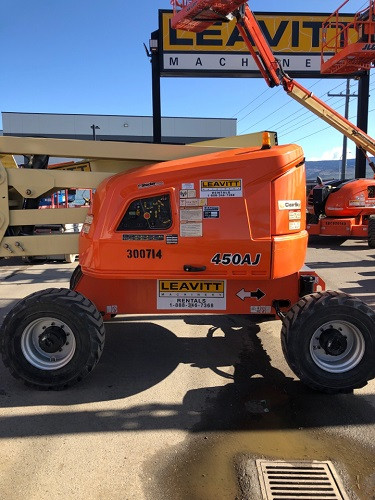


An air-filled or pneumatic tire is composed on an inner core which is sealed airtight and filled with pressurized air. Usually, a tread made with reinforced steel belting or other kind of materials, seals this inner core and provides the contact part with the road.
The tire would remain inflated with all the vehicle's weight resting on it, as the pressure of the air within the tire is more than atmospheric air pressure. The air pressure inside the tire provides resistance against forces which attempt to deform the tire. This gives the tire a slight degree of a cushioning effect when the tire hits bumps in the road. If you have ever taken a ride in an old-fashioned carriage that had wooden wheels, you know precisely how huge of a difference a set of pneumatic tires could make.
Of course, there are some drawbacks to pneumatic tires. For instance in highly dangerous applications or high-performance situations, these tires can suffer a puncture and this would lead to a total failure. The consequence of a blowout at high speeds can result in a serious car crash. Military planners need to take into consideration tires getting blown out by gunfire or explosion shrapnel. The worst nightmare of a vehicle crew is becoming trapped in a fire zone due to all of their tires becoming flat. Airless tires evidently don't suffer from these kind of problems and hence, could be more suitable in some applications.
The pneumatic tire might have problems as well with the variation in tire performance and air pressure. The lower pressure inside a tire may increase the comfort level and the traction. This is due to the fact that tires flatten slightly and more tread is touching the road. The air pressure inside of the tire works to maintain the "up and down" stiffness as well as maintain the lateral stiffness of the tire. Therefore, reduced air pressure allows the sidewalls of the tires to flex. Unfortunately, this leads to poor handling. Within an airless tire, the stiffness in those two dimensions is independent.
Air pressure factors into other problems also. When it comes to maintaining proper air pressure, customers are notoriously undependable. Incorrect air pressure within tires could lead to really dangerous situations. It is very essential to bear in mind that pneumatic tires are susceptible to temperature changes also, which could be responsible for changing the internal tire pressure. It is very vital to take into consideration the kind of environments you would be requiring your machinery to operate in so that you could frequently check the tires and keep the machinery as safe as possible.